

How to Reverse Hair Loss Caused by GLP1 Weight Loss Medications
The new generation of GLP1 weight loss medications has helped millions of people achieve significant, life-changing weight reduction. However, many patients are discovering an unwelcome side effect: noticeable hair thinning and shedding that can be alarming and distressing. If you’ve experienced hair loss while taking these medications, you’re not alone—and there are effective treatments available to help reverse hair loss and restore your confidence.
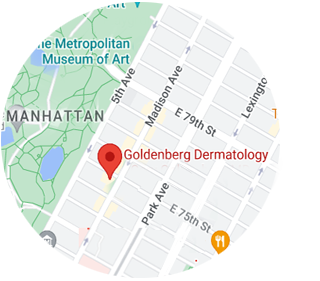
At Goldenberg Dermatology in Manhattan, board certified dermatologist Dr. Goldenberg helps patients address hair loss related to GLP1 weight loss medications using advanced regenerative therapies. Understanding why these medications can trigger hair loss—and what can be done about it—empowers patients to take proactive steps toward restoring their hair while continuing their weight loss journey.
Here’s what you need to know about GLP1-related hair loss and the innovative treatments that can help reverse hair loss and promote healthy regrowth.
How GLP1 Weight Loss Medications Work
GLP1 (glucagon-like peptide-1) receptor agonists represent a breakthrough in weight management, originally developed for diabetes treatment but now widely prescribed for weight loss. These medications work by mimicking a natural hormone that regulates appetite and blood sugar. When administered, they slow gastric emptying, reduce hunger signals, and help patients feel satisfied with smaller portions of food.
The semaglutide class of GLP1 weight loss medications includes several well-known brands. Ozempic was among the first to gain widespread recognition, though it’s technically approved for diabetes management. Wegovy contains the same active ingredient at a higher dose and is FDA-approved specifically for weight loss. Rybelsus offers semaglutide in an oral tablet form for those who prefer not to inject.
Tirzepatide medications represent the newest advancement in this category, working on both GLP1 and GIP (glucose-dependent insulinotropic polypeptide) receptors for potentially enhanced effects. Mounjaro was initially approved for diabetes, while Zepbound received FDA approval specifically for weight management. These GLP1 weight loss medications have demonstrated remarkable effectiveness, with many patients losing 15-20% or more of their body weight.
At Goldenberg Dermatology in Manhattan, Dr. Goldenberg sees many patients who have achieved excellent weight loss results with these medications but are now seeking solutions to reverse hair loss that occurred during their treatment.
How GLP1 Weight Loss Medications Cause Hair Loss
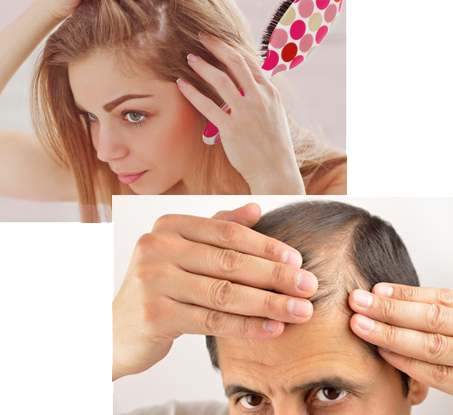
Hair loss associated with GLP1 weight loss medications isn’t caused directly by the drugs themselves—rather, it results from the rapid weight loss these medications facilitate. When the body loses weight quickly, it can enter a state of physiological stress that disrupts the normal hair growth cycle. This condition, known as telogen effluvium, causes a higher-than-normal percentage of hair follicles to enter the resting (telogen) phase simultaneously.
Under normal circumstances, about 85-90% of hair follicles are actively growing while 10-15% are in the resting phase. During telogen effluvium triggered by rapid weight loss, this ratio can shift dramatically, with significantly more follicles entering the resting phase. Approximately two to three months later, these resting hairs shed—often quite noticeably—leading to diffuse thinning across the scalp.
Nutritional factors may also contribute to hair loss during GLP1 weight loss medication use. The reduced appetite these drugs produce can lead to inadequate protein intake, and protein is essential for healthy hair growth. Additionally, rapid weight loss may deplete stores of vitamins and minerals that support hair health, including iron, zinc, biotin, and vitamin D. The combination of metabolic stress and potential nutritional deficiencies creates conditions that can significantly impact hair quality and quantity.
Treatments for GLP1 Weight Loss Related Hair Loss
The good news is that hair loss from GLP1 weight loss medications is typically temporary and treatable. As weight stabilizes and the body adjusts, many patients experience natural improvement in hair growth. However, proactive treatment can accelerate recovery, minimize the visible effects of shedding, and help reverse hair loss more quickly and completely.
A comprehensive approach to reverse hair loss from GLP1 weight loss medications may include optimizing nutrition to ensure adequate protein and micronutrient intake, using targeted supplements to address any deficiencies, and employing advanced regenerative therapies that directly stimulate hair follicle activity. Board certified dermatologist Dr. Goldenberg at Goldenberg Dermatology in Manhattan evaluates each patient’s individual situation to create a customized treatment plan.
Among the most effective treatments to reverse hair loss are PRP (platelet-rich plasma) therapy and exosome treatments. These regenerative approaches work at the cellular level to awaken dormant follicles, extend the growth phase of the hair cycle, and promote thicker, healthier hair growth. Both treatments are minimally invasive with little to no downtime, making them ideal for patients who want to continue their daily activities while restoring their hair.
Reverse Hair Loss with PRP Treatment
PRP hair restoration harnesses the same powerful cellular regeneration technology used in the highly effective “Vampire Facial” for skin rejuvenation. This innovative treatment uses growth factors extracted from the patient’s own blood to stimulate hair growth naturally and effectively. Because PRP is derived from your own body, there’s virtually no risk of allergic reaction or rejection.
During PRP treatment to reverse hair loss, a small amount of blood is drawn and processed in a centrifuge to separate the platelet-rich plasma from other blood components. This concentrated plasma contains a wealth of growth factors that play crucial roles in tissue repair and regeneration. When injected into the scalp, these growth factors are able to “wake up” thinning and weak hair follicles that have become dormant or sluggish.
The growth factors in PRP support ongoing follicle health by improving blood supply to the hair root, increasing the thickness of the hair shaft, and prolonging the active growth phase of the hair cycle. Patients typically notice reduced shedding within the first few weeks, with visible improvement in hair density and thickness developing over the following months. A series of treatments spaced several weeks apart produces optimal results to reverse hair loss.
Board certified dermatologist Dr. Goldenberg at Goldenberg Dermatology in Manhattan has helped numerous patients reverse hair loss caused by GLP1 weight loss medications using PRP therapy. Dr. Goldenberg’s expertise ensures precise placement of the PRP for maximum follicle stimulation and optimal hair restoration results.
Reverse Hair Loss with Exosome Treatment
Exosome hair restoration therapy represents the cutting edge of regenerative medicine for hair loss. This new, minimally invasive treatment uses 100% natural, plant-based exosomes to harness the body’s natural repair processes and regrow thick, strong, healthy hair in both men and women—without surgery and with no downtime.
Exosomes are tiny messenger particles that cells use to communicate with one another. They deliver signals that promote cellular growth and regeneration throughout the body. When applied to the scalp, exosomes effectively awaken dormant hair follicles that have stopped producing visible hair and extend the hair growth cycle so that each strand grows longer and stronger before entering the resting phase.
Unlike PRP, which requires a blood draw, exosome therapy uses laboratory-prepared exosomes derived from plant sources, making the treatment even simpler for patients. The exosomes are applied to the scalp through microinjections or microneedling, allowing them to penetrate directly to the hair follicles where they can exert their regenerative effects. Many patients find exosome treatment to be an excellent option to reverse hair loss, either alone or in combination with PRP for enhanced results.
At Goldenberg Dermatology in Manhattan, board certified dermatologist Dr. Goldenberg offers exosome hair restoration as an advanced solution for patients seeking to reverse hair loss from GLP1 weight loss medications. Dr. Goldenberg evaluates each patient’s hair loss pattern and overall health to determine whether PRP, exosomes, or a combination approach will deliver the best results.
Reverse GLP1 Hair Loss | Manhattan
Hair loss from GLP1 weight loss medications like Ozempic, Wegovy, Mounjaro, and Zepbound can be distressing, but it doesn’t have to be permanent. With advanced regenerative treatments like PRP and exosome therapy, you can reverse hair loss and restore the thick, healthy hair you deserve—all while maintaining your weight loss success.
Board certified dermatologist Dr. Goldenberg at Goldenberg Dermatology in Manhattan specializes in helping patients reverse hair loss caused by rapid weight loss and GLP1 weight loss medications. Schedule an appointment today to learn which treatment approach can help you regrow your hair and regain your confidence.
Manhattan Hair Loss Treatments | Manhattan: 212-405-8202
Dermatology & Aesthetic Blog
Thank you for visiting Goldenberg Dermatology’s Blog, where we keep you updated on the latest news, events, information, and advancements in dermatology and aesthetic treatments.
Check back often to read about the latest techniques and state-of-the-art technologies in skin health, cosmetic procedures, anti-aging, body sculpting, hair loss treatment, fat loss, and more.
Learn more about the treatments that can improve your health and quality of life – and if you have a specific concern CLICK HERE to book a consultation with one of our award winning New York board-certified dermatologists.
RELATED ARTICLES